



How Your Thermostat Impacts Comfort and Energy Bills in Changing Weather
Spring weather in Springfield can feel unpredictable. Cool mornings, warm afternoons, and sudden temperature drops make it difficult to maintain consistent indoor comfort.
What many homeowners do not realize is that the thermostat plays a major role in both comfort and energy costs during these fluctuating months.
A properly programmed thermostat helps prevent unnecessary heating and cooling cycles, reduces strain on your HVAC system, and lowers monthly utility bills.
Let’s explore how thermostat settings affect performance and how to optimize them during swing season.
How Thermostats Actually Work
At its core, a thermostat monitors indoor temperature and signals your HVAC system to turn on or off based on your set point.
There are three common types:
Manual Thermostats
These require physical adjustment when temperatures change. They offer basic control but no automation.
Programmable Thermostats
These allow homeowners to schedule temperature changes throughout the day. For example, lowering heating while away at work and increasing it before returning home.
Smart Thermostats
Smart thermostats connect to WiFi and learn usage patterns. Many adjust automatically based on occupancy, outdoor weather conditions, and energy usage data. They can be controlled remotely through a mobile app.
For Springfield homeowners dealing with variable March temperatures, programmable and smart thermostats offer significant advantages.
Choosing Settings for Swing Season Days
During spring, outdoor temperatures can vary 30 degrees within 24 hours. Poor thermostat settings can cause your system to alternate frequently between heating and cooling.
To reduce strain:
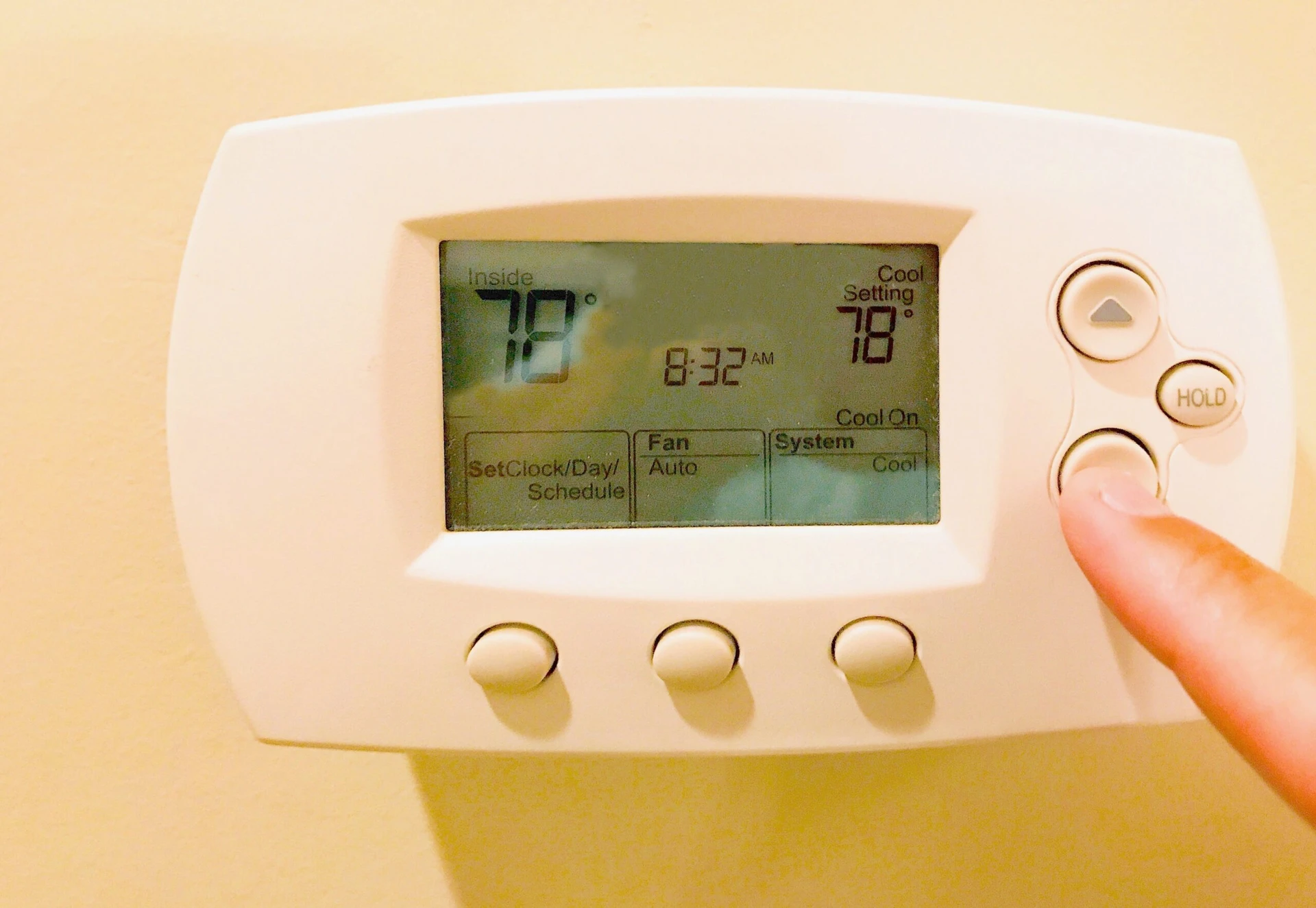
- Set heating to around 68 degrees when home
- Lower heating by 5 to 8 degrees when asleep or away
- Set cooling to 75 to 78 degrees when home
- Avoid drastic setting changes that force long recovery cycles
Using moderate adjustments helps prevent unnecessary system strain.
Avoiding Unnecessary Heating and Cooling Runs
Constantly adjusting the thermostat up and down wastes energy. Instead:
- Use consistent schedules
- Allow natural temperature swings within a comfortable range
- Avoid setting cooling too low just to cool faster
- Keep blinds closed on warm afternoons to reduce heat gain
Smart thermostats can automatically manage these adjustments based on daily habits and weather forecasts.
Energy Savings During Temperature Fluctuations
The U.S. Department of Energy estimates homeowners can save up to 10 percent annually by properly setting programmable thermostats.
In the Ozarks, where spring weather shifts frequently, strategic scheduling prevents your HVAC system from working harder than necessary.
Even small adjustments of 1 to 2 degrees can significantly reduce monthly utility costs over time.
Additional Tips for Thermostat Efficiency
- Replace thermostat batteries annually if applicable
- Ensure thermostat placement is away from direct sunlight
- Keep vents unblocked for proper airflow
- Pair thermostat upgrades with seasonal HVAC maintenance
If your thermostat is outdated or inconsistent, upgrading to a programmable or smart model can provide noticeable improvements in comfort control.
Final Thoughts
Your thermostat is more than a wall mounted device. It is the command center of your HVAC system.
During Springfield’s unpredictable spring weather, proper thermostat settings can reduce strain on equipment, improve indoor comfort, and lower energy bills. With the right programming and consistent habits, homeowners can stay comfortable without overspending.

