


Indoor Air Quality 101: Spring Allergy Tips for Homes in Springfield, MO
Spring in Springfield brings blooming trees, green landscapes, and unfortunately, allergy season.
Pollen levels rise quickly across the Ozarks, and many homeowners assume that staying indoors offers complete relief. However, indoor air quality depends heavily on your HVAC system and how well it filters, ventilates, and manages humidity.
Understanding how your system affects indoor air can make a significant difference in both comfort and health.
How HVAC Systems Affect Indoor Air Quality
Your HVAC system continuously circulates air throughout your home. Every time it runs, it pulls air through filters, conditions it, and redistributes it.
If filters are low quality or clogged, airborne particles such as pollen, dust, and pet dander can remain in circulation.
Poor airflow, dirty ducts, or excessive humidity can also create conditions that worsen allergies.
Proper system maintenance is the foundation of good indoor air quality.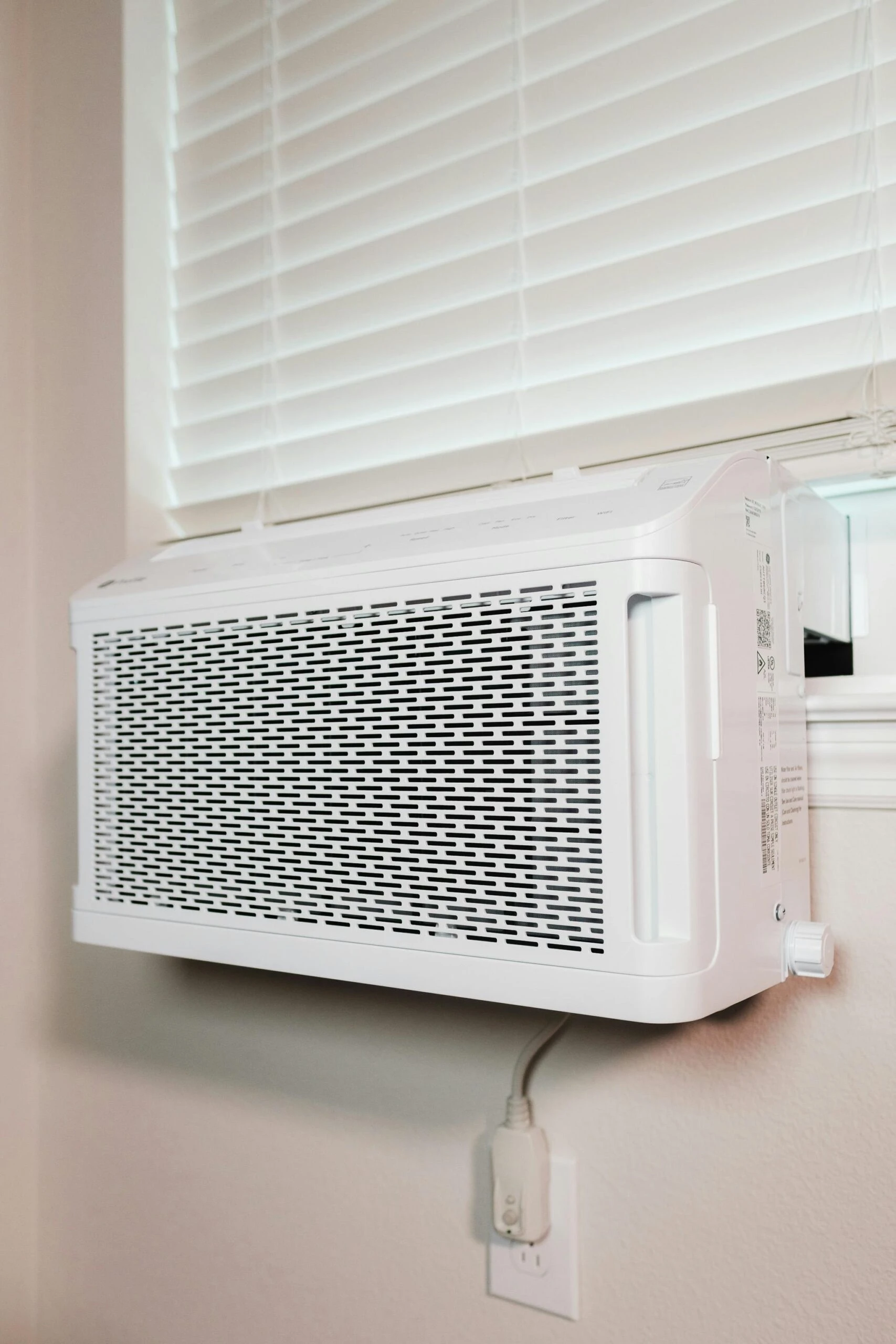
Filter Upgrades for Allergy Season
Not all air filters perform the same.
Standard Fiberglass Filters
These capture large debris but allow smaller particles to pass through.
Pleated High Efficiency Filters
These trap smaller allergens and offer improved filtration without restricting airflow when properly sized.
Look for filters with a higher MERV rating, typically between 8 and 13 for residential systems. However, consult with an HVAC professional before upgrading to ensure compatibility with your system.
Replacing filters every 30 to 60 days during peak allergy season is recommended in the Ozarks.
Humidity Control and Ventilation Tips
Spring humidity in Missouri can fluctuate significantly. High indoor humidity promotes mold growth and dust mites, both common allergy triggers.
Ideal indoor humidity levels range between 30 and 50 percent.
To manage humidity:
-
Use a whole home dehumidifier if needed
-
Ensure bathroom and kitchen exhaust fans function properly
-
Schedule HVAC maintenance to inspect drainage systems
-
Consider energy recovery ventilators for improved airflow
Balanced ventilation reduces indoor pollutant buildup.
When to Consider Air Purifiers or UV Systems
For households with severe allergies, additional air purification may be beneficial.
Whole Home Air Purifiers
These integrate with your HVAC system and capture finer particles than standard filters.
UV Light Systems
UV lights installed near coils help reduce microbial growth within the system.
These solutions are especially helpful in tightly sealed homes where natural ventilation is limited.
Consulting with a local HVAC professional can determine the best indoor air quality upgrades for your home.
Simple Habits to Reduce Indoor Allergens
Beyond HVAC upgrades, homeowners can:
-
Remove shoes at entryways
-
Vacuum with HEPA filters
-
Wash bedding weekly in hot water
-
Keep windows closed during high pollen days
Combining system improvements with healthy home habits offers the best results.
Final Thoughts
Indoor air quality is not just about comfort. It affects your health and overall well being.
During Springfield’s spring allergy season, your HVAC system plays a central role in filtering pollutants, controlling humidity, and circulating clean air. With the right maintenance and upgrades, homeowners can create a healthier indoor environment all season long

