



Why Your AC Isn’t Cooling Evenly in the Spring. And What It Means for Summer
As temperatures begin to rise in Springfield, Missouri, many homeowners switch their air conditioners back on after months of minimal use. Spring should feel comfortable. Windows open in the morning, mild afternoons, cool evenings. But for many households, the first few weeks of AC use reveal a frustrating problem. The system is running, yet the house is not cooling evenly.
Maybe the upstairs feels warmer than the main floor. Perhaps certain rooms stay stuffy no matter how low you set the thermostat. You may notice weak airflow in one area and strong airflow in another. These uneven cooling issues are more than minor inconveniences. They are early warning signs of bigger HVAC problems that can become expensive breakdowns when peak summer demand hits.
April is the ideal time to correct these inconsistencies. Let’s break down what uneven cooling means, why it happens, and what it could signal for your home this summer.
Why Uneven Cooling Shows Up in Spring
Spring weather in southwest Missouri fluctuates constantly. One day reaches the high 70s, the next drops into the 40s. Your air conditioner may cycle on and off more frequently during this season compared to the steady heat of July.
Because the system is not running continuously yet, airflow and performance issues become more noticeable. Instead of masking problems through constant operation, spring conditions reveal imbalances.
Uneven cooling often starts subtly. You may notice:
- Warmer air upstairs
- One bedroom that never feels comfortable
- Hot and cold spots in open living areas
- Longer run times without consistent comfort
- Thermostat readings that do not match how the house feels
These symptoms usually trace back to airflow restrictions, duct problems, aging components, or early refrigerant issues.
Uneven Cooling Upstairs. A Common Springfield Complaint
Two story homes frequently struggle with temperature differences between floors. Heat naturally rises. During warmer months, upper levels retain more heat from sun exposure and roof proximity.
However, extreme temperature gaps often indicate HVAC airflow problems rather than simple physics.
Common causes include:
1. Inadequate Return Air
Your system must pull air back through return ducts to properly circulate conditioned air. If upstairs return vents are undersized or obstructed, the system cannot balance airflow between levels.
2. Poorly Balanced Ductwork
Over time, duct dampers may shift, connections loosen, or insulation deteriorate. When airflow is not evenly distributed, certain rooms receive less cooled air.
3. Restricted Supply Vents
Furniture placement, closed vents, or dust buildup can significantly reduce airflow. Many homeowners close vents in unused rooms thinking it saves energy. In reality, it disrupts pressure balance and worsens uneven cooling upstairs.
Addressing these issues in April prevents the system from overworking when July humidity settles in.
HVAC Airflow Problems. The Hidden Efficiency Killer
Airflow is the foundation of air conditioning performance. Even if your AC unit itself is functioning properly, poor airflow can make it seem like the system is failing.
Here are several airflow related causes of AC not cooling evenly in Springfield MO homes.
Dirty Air Filters
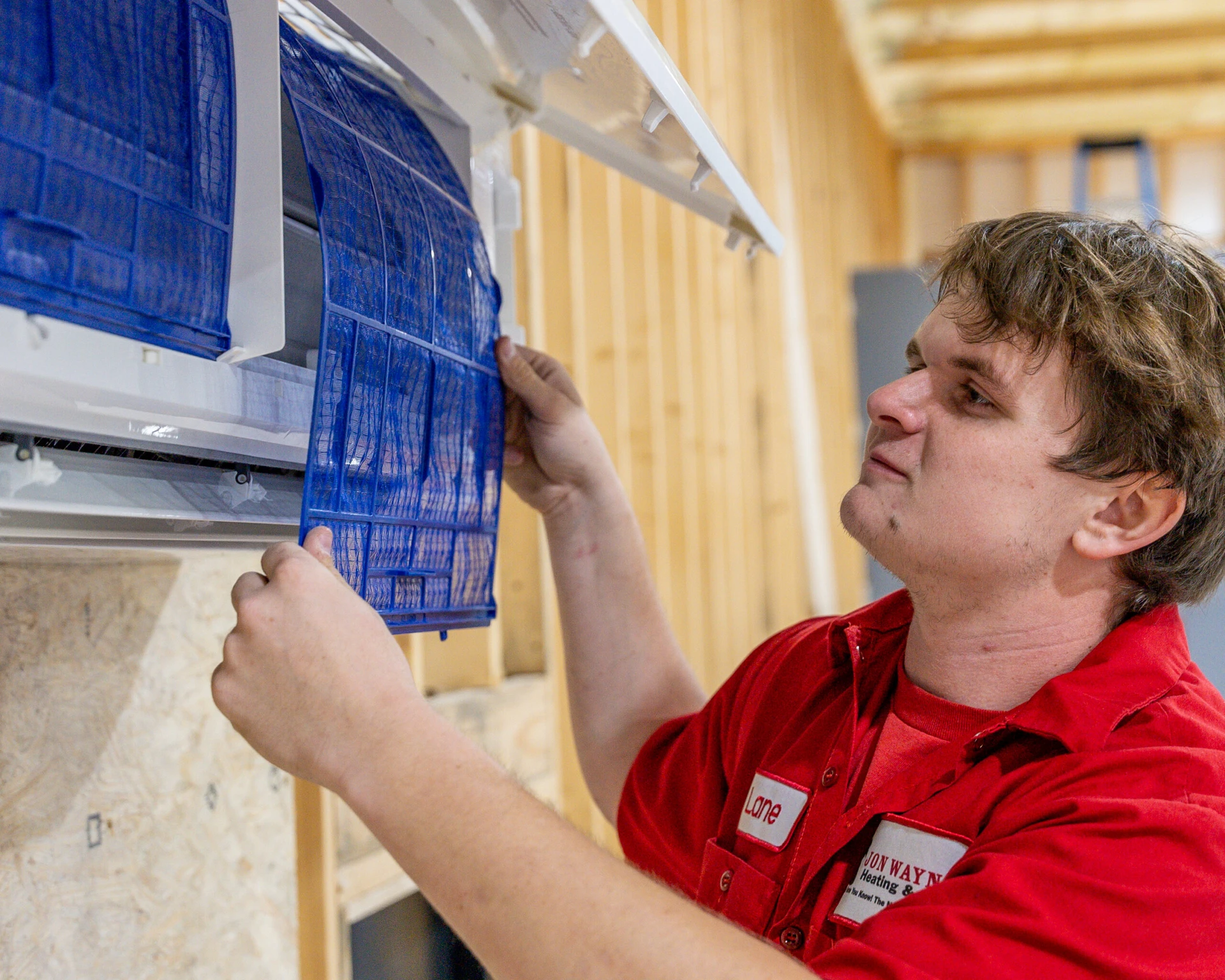
This is the simplest and most overlooked issue. A clogged filter restricts airflow throughout the entire system. The result is uneven cooling, frozen coils, and rising energy bills.
Spring is the perfect time to replace filters and establish a consistent replacement schedule.
Blocked Evaporator Coil
When dust bypasses the filter, it accumulates on the evaporator coil. This reduces heat absorption and airflow efficiency. In early stages, you may only notice inconsistent comfort. Left unchecked, it can lead to coil freeze ups and compressor strain.
Blower Motor Wear
The blower motor distributes conditioned air through your duct system. As it ages, it may struggle to maintain proper airflow speed. Uneven cooling can be one of the first indicators of blower performance decline.
Catching blower issues early helps avoid complete motor failure during peak summer heat.
Duct Leaks. Wasting Cool Air Before It Reaches You
Leaky ductwork is a major contributor to uneven cooling. In many homes, duct systems run through attics or crawl spaces. When joints loosen or insulation tears, conditioned air escapes into unconditioned spaces.
This leads to:
- Hot rooms farthest from the unit
- Weak airflow in certain areas
- Higher energy bills
- Longer cooling cycles
In some cases, as much as 20 to 30 percent of cooled air can be lost before reaching living spaces.
Spring inspections often reveal disconnected ducts, crushed flexible lines, or gaps in attic runs. Repairing these issues before summer ensures your system delivers the cooling you are paying for.
Early Refrigerant Issues. A Subtle Warning Sign
Refrigerant problems rarely cause immediate system shutdowns. Instead, they often begin with gradual performance decline.
If your AC is not cooling evenly in Springfield MO, and airflow checks out, low refrigerant could be the cause.
Signs include:
- Longer cooling cycles
- Air that feels cool but not cold
- Ice forming on refrigerant lines
- Increased humidity indoors
Low refrigerant is usually the result of a leak. Topping off refrigerant without repairing the source only delays a larger issue. Identifying and correcting leaks in April prevents compressor damage when summer temperatures spike.
Aging Systems. When Wear Shows Up as Imbalance
Air conditioners typically last 12 to 15 years with proper maintenance. As systems age, efficiency declines and components wear unevenly.
An aging compressor may struggle to maintain consistent cooling output. Electrical components may lose calibration. Older single stage systems may short cycle or fail to distribute air evenly in larger homes.
If your system is approaching or exceeding its expected lifespan, uneven cooling may signal that replacement planning should begin. Spring provides time to evaluate options before emergency replacements become necessary in mid summer.
Why You Should Not Ignore Spring Comfort Inconsistencies
Many homeowners assume uneven cooling is a minor seasonal annoyance. They wait until June or July to call for service. Unfortunately, that delay often results in:
- Higher repair costs
- Emergency service fees
- Extended wait times during peak demand
- Increased energy bills
- Accelerated component failure
Addressing airflow problems, duct leaks, or refrigerant issues in April keeps your system operating efficiently and reduces stress on major components.
Think of spring as a diagnostic window. The system is active enough to reveal weaknesses but not yet under extreme strain.
What a Professional Spring Evaluation Should Include
A thorough spring AC inspection should cover more than a quick filter change. Homeowners concerned about uneven cooling upstairs or inconsistent comfort should expect:
- Airflow testing at supply and return vents
- Ductwork inspection for leaks or disconnections
- Refrigerant pressure measurement
- Evaporator and condenser coil inspection
- Blower motor performance check
- Thermostat calibration verification
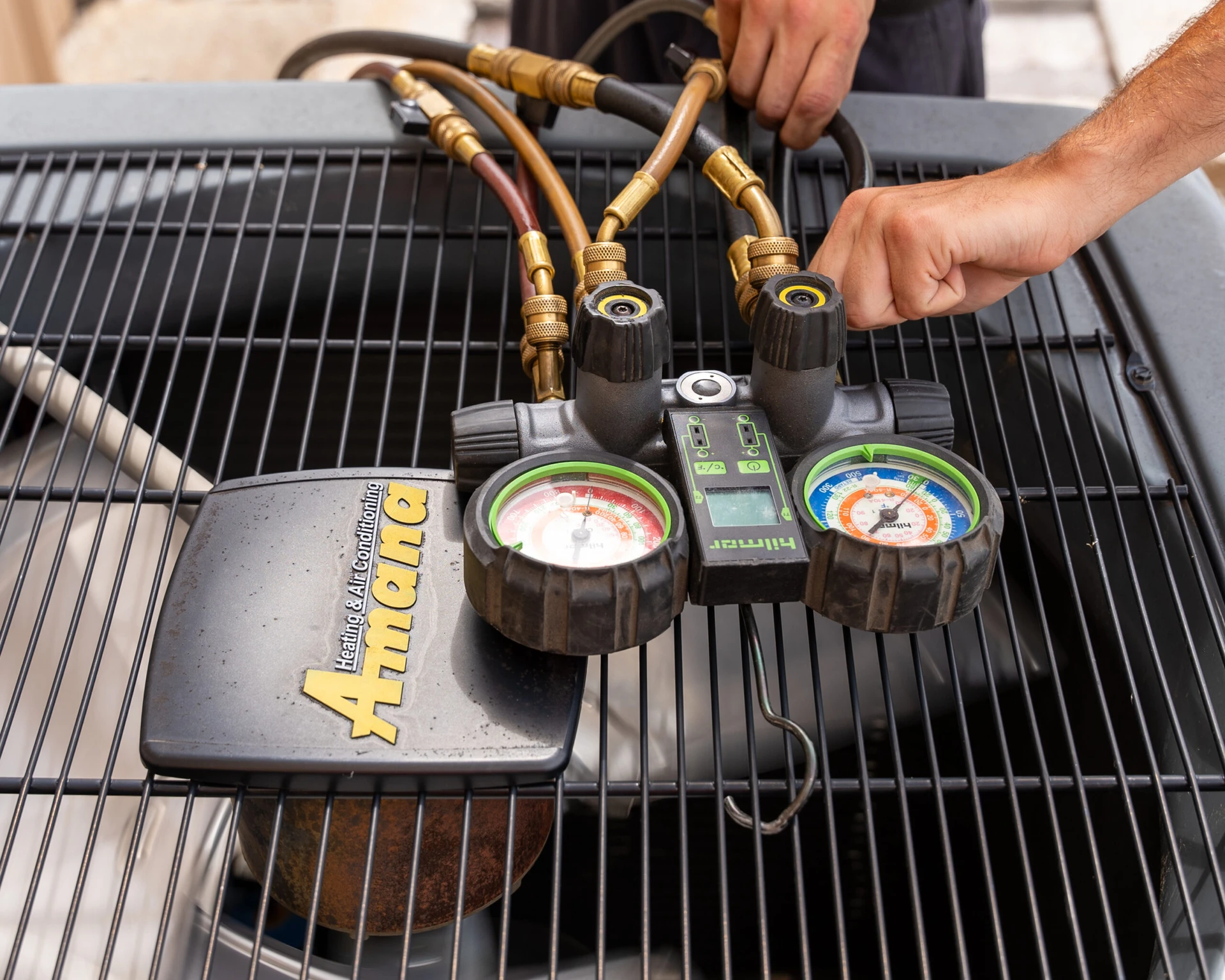
This comprehensive approach identifies root causes rather than masking symptoms.
Energy Efficiency and Comfort Go Hand in Hand
Uneven cooling is not only a comfort issue. It directly impacts efficiency.
When rooms do not cool properly, homeowners lower the thermostat. The system runs longer attempting to satisfy a reading that does not reflect the true temperature distribution in the house.
Longer run times increase energy consumption and accelerate wear.
Balanced airflow and sealed ducts allow your system to reach set temperatures faster and maintain them consistently. That means lower utility bills and fewer breakdowns.
Should You Consider System Upgrades?
If repeated repairs fail to correct uneven cooling, it may be time to explore modern solutions.
Options include:
Variable Speed Air Handlers
These systems adjust airflow gradually rather than operating at a single speed. They maintain more consistent temperatures throughout the home.
Zoning Systems
Zoning divides your home into separate temperature controlled areas. This is particularly helpful for uneven cooling upstairs in multi level homes.
High Efficiency AC Units
Newer models offer improved humidity control and more even distribution of conditioned air.
April is an excellent time to compare upgrade options before summer installation schedules fill up.
Preparing for Peak Summer Demand
Missouri summers are humid and demanding. When outdoor temperatures rise into the 90s, your air conditioner may run for hours at a time.
Any airflow restriction, refrigerant imbalance, or duct leak will be magnified under those conditions.
Correcting uneven cooling now ensures:
- Reduced risk of mid summer breakdowns
- Stable indoor temperatures during heat waves
- Improved indoor air quality
- Lower monthly energy costs
- Greater overall system lifespan
Spring preparation is not just about comfort. It is about protection.
Final Thoughts
If your AC is not cooling evenly in Springfield MO this spring, do not ignore it. Hot and cold spots, uneven cooling upstairs, and HVAC airflow problems are early indicators that your system needs attention.
April provides the perfect opportunity to diagnose and resolve these concerns before summer places heavy demands on your equipment. Whether the issue involves duct leaks, aging components, refrigerant levels, or airflow restrictions, proactive service now prevents expensive emergencies later.
Comfort should feel effortless. When your system distributes air evenly, maintains stable temperatures, and runs efficiently, your home becomes the retreat it is meant to be.

