



Spring Storm Season in Springfield. How to Protect Your Outdoor AC Unit
Spring in southwest Missouri brings warmer temperatures, blooming trees, and unfortunately, strong storms. High winds, heavy rain, lightning, and hail are common in April and May.
While most homeowners think about roof damage and fallen branches, your outdoor air conditioning unit is also vulnerable.
Protecting your AC from storms is essential for preventing costly repairs and ensuring reliable cooling throughout summer.
Here is how to safeguard your system during storm season and what to check afterward.
Why Storms Threaten Outdoor AC Units
Your condenser unit sits exposed outside your home. It contains sensitive electrical components, refrigerant lines, and delicate aluminum fins.
Severe weather can cause:
- Power surges from lightning
- Hail damage to coils
- Debris impact from high winds
- Flooding from heavy rain
- Blocked airflow from fallen leaves and branches
Without protection, even a brief storm can shorten your system’s lifespan.
Install Surge Protection
Lightning strikes do not have to hit your home directly to cause damage. Nearby strikes can send voltage spikes through power lines.
Installing a surge protector dedicated to your HVAC system provides a barrier against electrical damage.
Benefits include:
- Protection for compressor and control boards
- Reduced risk of sudden system failure
- Lower repair costs after storms
Whole home surge protection offers broader coverage, but HVAC specific devices add an extra layer of defense.
Consider Hail Guards
Hail is a frequent concern during spring storms. Even small hailstones can dent condenser fins, reducing airflow and efficiency.
Hail guards are protective metal screens installed around the outdoor unit. They:
- Deflect hail impact
- Maintain proper airflow
- Reduce coil damage
After any significant hail event, schedule an inspection. Even if the unit appears intact, internal damage may not be visible.
If you suspect HVAC after hail storm issues, do not wait until summer to address them.
Clear Debris Before and After Storms
Preventative maintenance goes a long way in protecting AC from storms.
Before storm season:
- Trim overhanging branches
- Secure loose yard items
- Remove leaves and debris around the unit
- Ensure at least two feet of clearance around the condenser

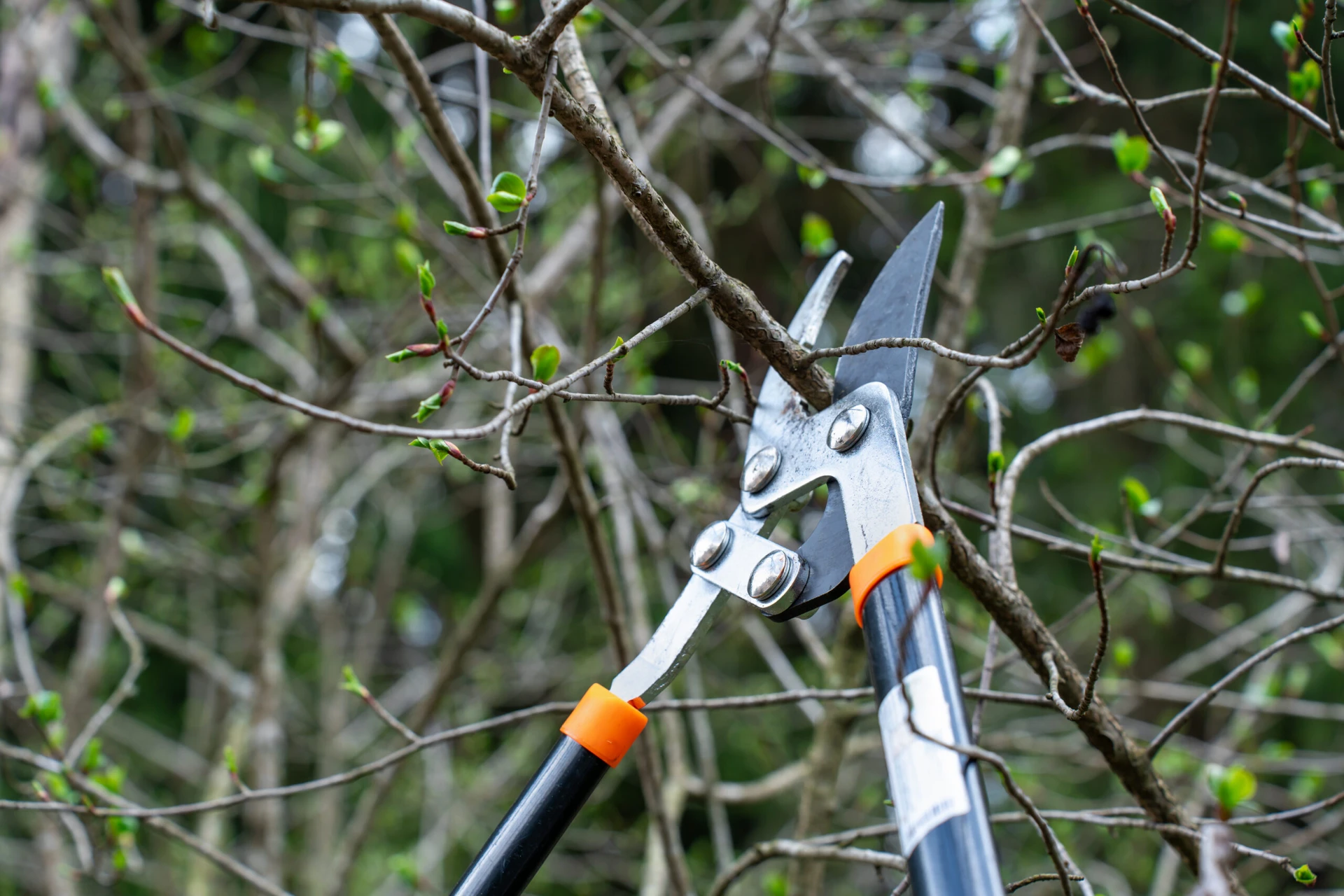
After a storm:
- Inspect for visible dents or damage
- Remove fallen branches
- Check that the unit remains level
- Listen for unusual noises during startup
Debris buildup restricts airflow and strains the compressor.
Ensure Proper Drainage
Heavy rainfall can lead to pooling water around your outdoor unit.
While condensers are built to withstand rain, prolonged standing water can damage electrical components and erode the base.
To improve drainage:
- Confirm the unit sits on a stable, elevated pad
- Check that soil slopes away from the foundation
- Clear clogged gutters that may overflow near the unit
Proper drainage reduces long term corrosion and electrical risk.
What to Do After a Severe Storm
If your area experiences high winds, hail, or lightning, follow these steps:
- Visually inspect the unit before turning it on
- Check your circuit breaker for tripped switches
- Listen for unusual grinding or buzzing sounds
- Monitor cooling performance
Signs you may need professional AC maintenance in Springfield MO include:
- Reduced cooling capacity
- Warm air from vents
- Loud or unusual noises
- Frequent system cycling
- Visible coil damage
Prompt service prevents small issues from escalating.
Do Not Cover Your Unit During Operation
Some homeowners attempt to cover outdoor units with tarps before storms. While temporary covers may protect from debris when the system is off, never operate your AC with a cover in place.
Restricted airflow can cause severe internal damage.
Instead, rely on proper installation, surge protection, and hail guards for ongoing safety.
Insurance and Documentation
If hail or debris causes visible damage, take clear photos before repairs begin. Homeowners insurance may cover storm related HVAC damage.
A professional inspection report strengthens your claim and ensures all issues are documented.
Schedule Post Storm Maintenance
Even if your system appears to function normally, a post storm inspection provides peace of mind.
Technicians can check:
- Refrigerant pressure
- Electrical connections
- Coil integrity
- Fan blade alignment
- Capacitor performance
Spring AC maintenance in Springfield MO is especially important after severe weather.
The Cost of Ignoring Storm Damage
Minor dents or loose connections may not cause immediate failure. However, they often reduce efficiency and accelerate wear.
Ignoring storm related damage can lead to: 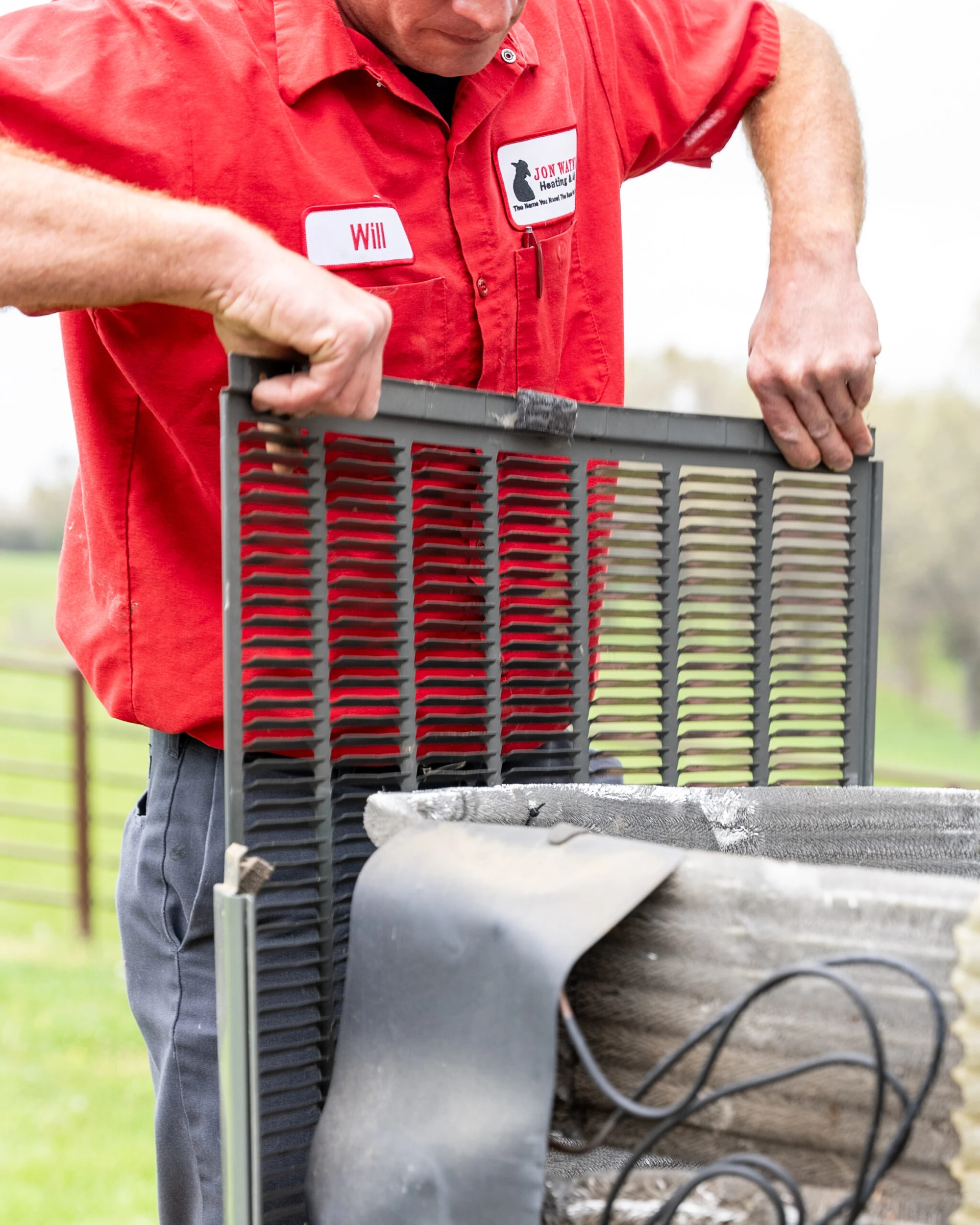
- Higher energy bills
- Compressor burnout
- Refrigerant leaks
- Premature system replacement
Preventative action protects both comfort and budget.
Preparing for Summer After Storm Season
Once storm season passes, your system should be ready for sustained summer heat.
A final spring tune up ensures:
- Clean coils
- Proper refrigerant levels
- Balanced airflow
- Secure electrical connections
Reliable cooling during Missouri’s hottest months depends on proactive preparation.
Final Thoughts
Spring storms are unpredictable, but your response does not have to be. Taking steps to protect your AC from storms reduces the risk of sudden breakdowns and costly repairs.
From surge protection and hail guards to debris clearance and drainage improvements, preventative measures make a significant difference.
If your home experiences hail or lightning this season, schedule HVAC after hail storm service promptly. Early inspections ensure your air conditioner operates safely and efficiently before peak summer demand arrives.

