




Fall weather in Missouri is nothing if not unpredictable. One day, it might be sunny and 80 degrees, the next you might get blustering winds and freezing rain. And sometimes conditions can flip between hot and cold on the same day.
Staying comfortable when the weather is constantly changing often means switching back and forth between heat and AC. But when it comes to protecting your equipment and avoiding wasted energy, this might not be the best practice.
Why Missouri Homeowners May Need Heat and AC on the Same Day
Springfield’s normal September temperatures range from an average high of about 81 degrees to an average low of around 59 degrees, according to the National Weather Service. Some days, that difference can make a home feel cold in the morning but uncomfortable by late afternoon.
There is also a wide range of other factors that can change your home’s temperature throughout the day, from how much direct sunlight it gets to the appliances you use. Some homes hold their temperature better than others, while some heat up and cool down quickly. That said, there is no single thermostat routine that works for every southwest Missouri home.
What Happens When You Change Thermostat Modes?
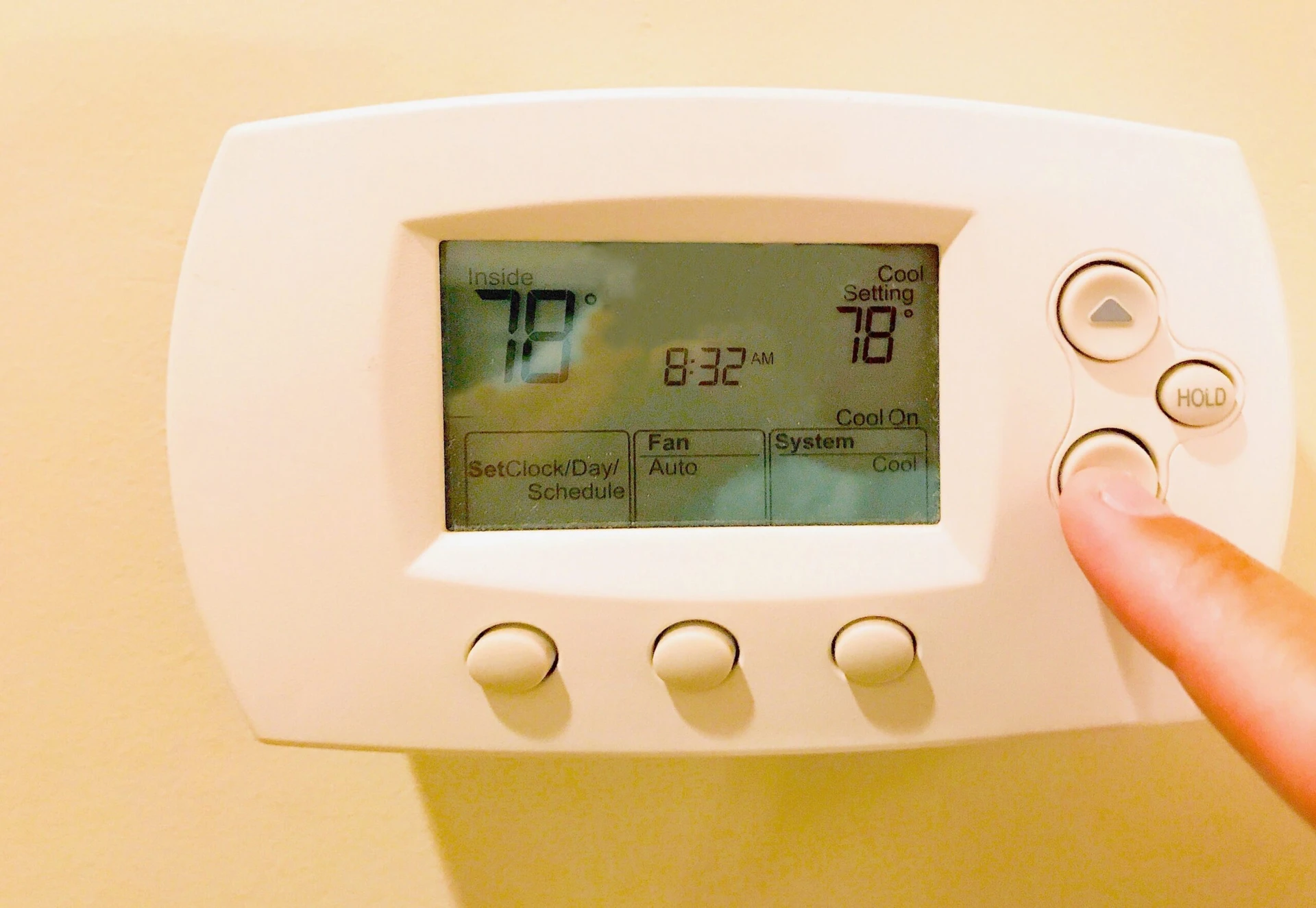
What happens behind the scenes depends on the type of HVAC system in your home:
Central Air Conditioner and Furnace
Many homes have a central air conditioner for cooling and a gas or electric furnace for heating. While these systems may share the same thermostat, blower, ductwork, and air vents, they use different equipment to produce heated or cooled air.
When you select “Cool,” the thermostat activates the air conditioner when the indoor temperature rises above your setting. When you select “Heat,” it calls for the furnace when the temperature drops below your heating setting. What this means is that the thermostat will prevent heating and cooling equipment from working against each other.
Switching from one mode to the other is normally harmless as long as you allow the first cycle to stop before making the change.
Heat Pump
A heat pump provides both heating and cooling. In the summer, it transfers heat out of the house. In heating mode, the process reverses and transfers available heat into the home.
Heat pumps are designed to change operating modes, but rapidly switching back and forth is not good for them. Modern thermostats typically include a built-in delay that protects the compressor from restarting immediately.
If the equipment doesn’t respond the instant you change the thermostat, give it a few minutes. That short delay may be a normal protective feature instead of a sign that something is wrong.
Hybrid or Dual-Fuel System
A hybrid system combines an electric heat pump with a gas furnace. Based on the conditions outside and the system’s configuration, it will determine which heating source is most efficient.
Because these systems require compatible controls and correct programming, it’s best to avoid changing advanced thermostat settings without understanding what they control. If a hybrid system behaves unexpectedly, have an HVAC professional inspect the thermostat and equipment.
When Can Switching Become a Problem?
Switching between heat and AC once or twice during the day usually isn’t a problem. However, there are a few habits to avoid if you want to avoid wasted energy and unnecessary wear on your system:
Rapidly Changing Modes
Don’t switch directly from active cooling to heating or vice versa while the system is still running. Set the thermostat to “Off,” let the current cycle stop, and wait several minutes before selecting the other mode.
This is especially important for heat pumps since their compressor operates in both heating and cooling modes.
Using Extreme Temperature Settings
Setting the thermostat to 60 degrees will not make the air conditioner cool your house faster. Likewise, setting the heat to 85 will not warm it faster. What actually happens is that the system produces conditioned air at its normal rate and simply runs for longer to reach your thermostat setting.
Choose a reasonable setting and give the system time to work. Large temperature changes can result in extended cycles, higher energy use, and additional wear.
Creating Too Small a Temperature Gap
Some thermostats offer an automatic changeover mode that can choose between heating and cooling. If you use this feature, the heating and cooling settings should be separated by several degrees.
If the two settings are too close, the equipment may switch modes more frequently than necessary. Your thermostat may enforce a minimum separation automatically, but if not, you should choose a range of at least five degrees.
Using the Wrong Thermostat Configuration
A thermostat has to be configured for the system it controls. What that means in practice is that a heat pump, a conventional furnace-and-AC combination, and a hybrid system may require different wiring and operating settings.
Using the incorrect configuration can cause unusual behavior, including frequent cycling or the system failing to change modes. This makes it important to have a professional install your thermostat anytime you are replacing either your system or your thermostat.
Is “Auto” Mode a Good Idea During Fall?
Auto-changeover mode can be a convenient choice during times when the temperature fluctuates a lot since it allows the thermostat to select heating or cooling based on the limits you set.
However, “Auto” is not always the best choice for every system. ENERGY STAR recommends that heat pump owners select either “Heat” or “Cool” instead of allowing the equipment to switch automatically due to the fact that heat pumps tend to operate most efficiently with a comfortable, consistent setting.
It’s also important to understand the difference between setting the system to “Auto” and setting the fan to “Auto”. Setting the fan to “Auto” means the blower runs when the system is actively heating or cooling. Setting the fan to “On” causes it to run continuously.
Having the fan blow continuously can improve circulation in some homes, but it also consumes more electricity and may affect humidity during cooling season. For most households, “Auto” is the best everyday fan setting.
Tips for Efficient Heating and Cooling During Fall
Constantly adjusting the thermostat can place strain on your equipment and spike your energy bills. The good news is that there are other ways to stay comfortable during Missouri’s ever-changing fall weather:
Allow a Comfortable Neutral Range
Instead of trying to maintain one exact temperature all day, set a range where you’ll be comfortable. Having a wider gap between the heating and cooling settings reduces unnecessary operation.
Use a Schedule
A programmable or smart thermostat can adjust settings based on when your family is home, away, or asleep. However, you should avoid creating an overly complicated schedule that changes every hour. A few consistent periods are usually easier on the equipment and more practical.
Keep the Air Filter Clean
Effective heating and cooling both depend on proper airflow. Dirty air filters reduce airflow, which can cause longer cycles and force your system to work harder to maintain a comfortable temperature.
Be sure to check your filter regularly and replace it according to the manufacturer’s instructions. Homes with pets, allergies, remodeling dust, or heavy system use may need to change the filter more often.
Clear the Outdoor Equipment
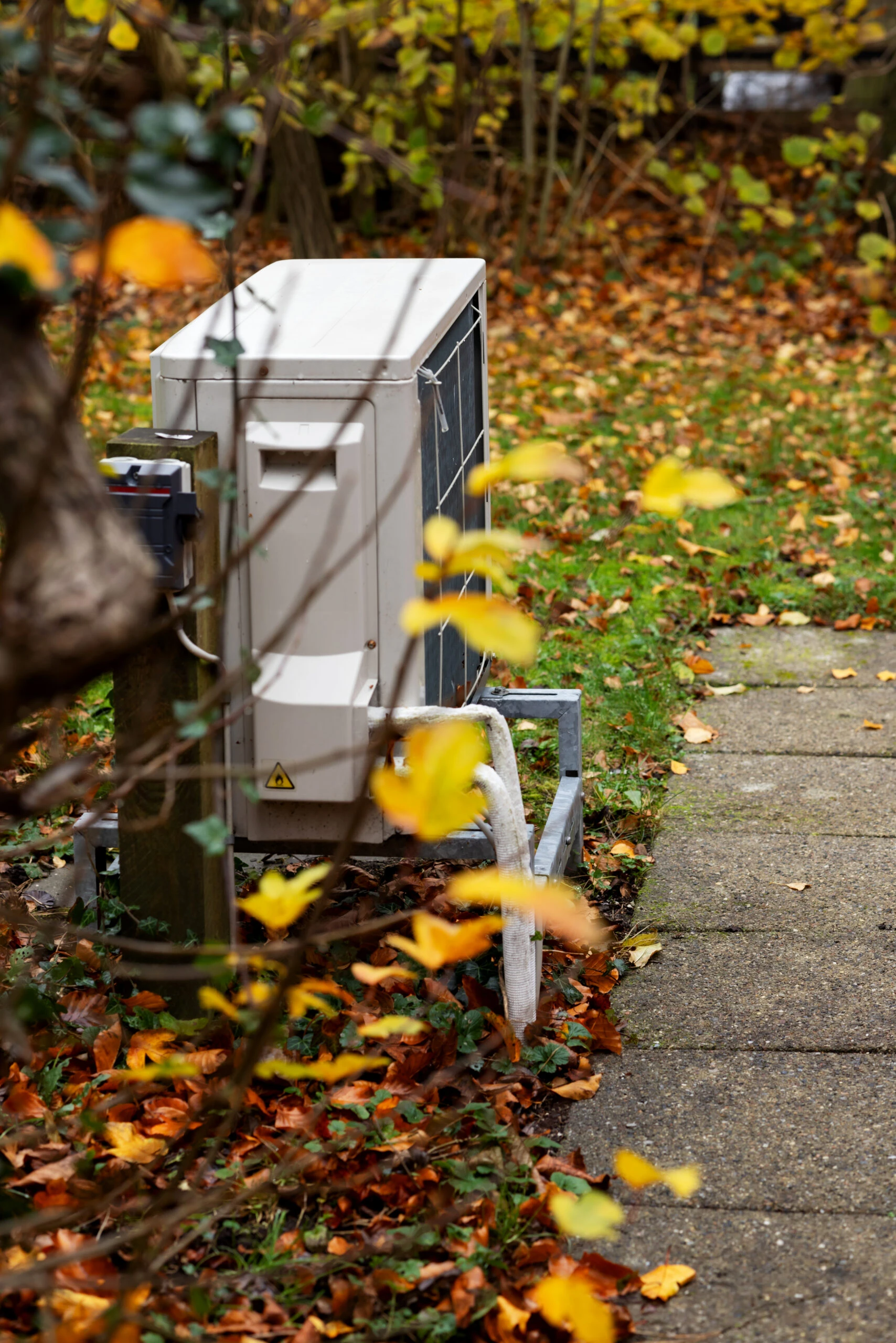
If there’s any debris such as leaves or grass clippings on your outdoor unit, it’s important to remove it. The unit needs to be unobstructed and have plenty of space around it so that air can move freely.
Schedule Fall Maintenance
Fall is a good time to have the heating system inspected before cold weather arrives. Professional maintenance can identify worn components, thermostat problems, airflow restrictions, safety concerns, and other issues before your heating system starts getting used heavily.
Keep Your Home Comfortable in Every Season
Switching between heat and AC on the same day is not inherently bad for your HVAC system. The key is to avoid rapid changes, use reasonable settings, and allow time between modes.
If your equipment struggles to keep up with Missouri’s temperature swings, Jon Wayne Heating & Air can help. Our experienced team provides heating, air conditioning, heat pump, thermostat, and maintenance services throughout Springfield, Mt. Vernon, and surrounding southwest Missouri communities.
Contact Jon Wayne Heating & Air today to schedule service and make sure your system is ready for whatever the weather brings next.

