




When fall rolls around and the temperature starts to drop, many people turn their heat on for the first time in months. But if you haven’t touched the heat setting on your thermostat in a long time, you may notice an unusual smell coming from your vents a few minutes after the heat kicks on.
A light burning-dust odor is common during the first heating cycle of the season. Dust can collect on furnace components during spring and summer, then produce a temporary odor as the equipment warms up. The smell should fade relatively quickly.
However, other odors can sometimes signal a range of issues, including electrical trouble, poor airflow, a gas leak, and other problems that require professional attention.
Why Furnaces Smell After Sitting All Summer
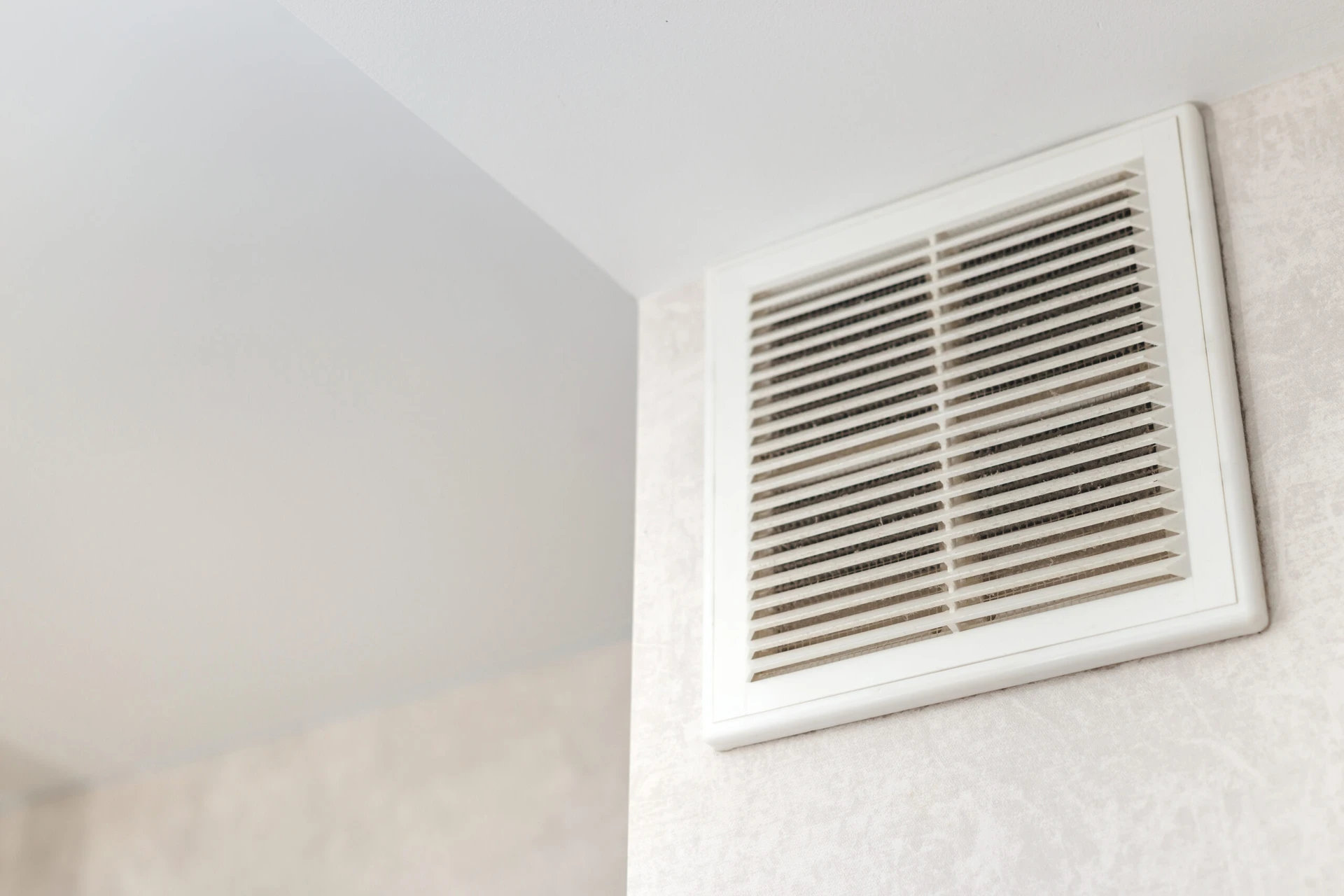
During the summer, most furnaces sit inactive for several months. During that period, dust, pet hair, lint, and other small particles can settle inside the heating system.
When the furnace starts for the first time, that debris heats up, and this is what creates the dusty smell you’re probably familiar with.
This smell is often compared to burnt toast, warm dust, or a slightly smoky odor. It usually fades after the first few heating cycles, but it may be quite noticeable at first. The exact amount of time it takes to go away depends on how much dust has accumulated, how long the furnace was inactive, and whether the system received maintenance before startup.
A mild dusty smell that gradually disappears is generally normal. A strong odor that continues for hours, returns every time the furnace runs, or appears alongside visible smoke is a different story.
Common Furnace Smells and What They Can Mean
The type of odor your furnace produces when you turn it on can often provide clues about what’s happening inside your heating system. While you should avoid opening the furnace cabinet or attempting internal repairs on your own, it’s still helpful to know what’s going on.
That said, here are the common types of furnace smells and what they might mean:
Burning Dust
A temporary burning-dust smell is the most common odor homeowners notice when turning on their furnace for the first time each fall. It’s caused by dust accumulating inside the furnace and is generally not a cause for concern.
The odor should become weaker as the system runs. Check the air filter if the smell is especially noticeable. A dirty filter can restrict airflow and allow more debris to circulate through the system.
However, if the odor remains strong after a couple of heating cycles or returns every time the furnace starts, you should call an HVAC professional.
Musty or Damp Odor
A musty smell come from moisture, a dirty air filter, debris inside the ductwork, or biological growth somewhere in the HVAC system. Homes that remain humid during summer are especially prone to stale or damp odors when the furnace begins circulating air.
If you notice a damp or musty odor when you turn the heat on, start by checking the filter and looking for visible moisture around accessible parts of the system. Don’t assume that it automatically means you have mold in your ductwork; there are numerous things that can cause a musty odor, and identifying mold growth usually requires a proper inspection.
A professional can examine the furnace, evaporator coil area, drain system, humidifier, and accessible ductwork to locate the source. Addressing moisture is important because excess humidity can affect indoor air quality and damage building materials over time.
Burning Plastic
If your furnace is producing a melting or burning plastic smell, that’s something that needs to be addressed as soon as possible. This odor is often caused by damaged wiring or overheating components, which can be a fire hazard.
Start by immediately turning the furnace off at the thermostat. If you see smoke, notice sparking, or believe there is an immediate fire risk, you should leave the home and call 911.
Be sure to have the system inspected before you turn it back on. Continuing to operate a system that is overheating is a fire hazard and can also damage your equipment.
Rotten-Egg or Sulfur Smell
Natural gas is treated with an odorant called mercaptan, which gives it a rotten-egg or sulfur-like smell. This is done intentionally to help people detect a possible gas leak.
If you notice a sulfur-like smell when you turn your furnace on or you hear hissing near a gas appliance, everyone in the home should evacuate right away. Avoid using light switches, phones, appliances, garage door openers, or anything else that could create a spark while you are inside.
Once you are a safe distance away, call your natural gas provider or 911. Do not return until emergency personnel or the gas company says the property is safe, and don’t attempt to locate or repair the leak yourself. Natural gas leaks are a serious safety hazard and need to be treated with every possible precaution.
Smoky Odor or Visible Soot
A smoky odor that continues beyond the first startup cycle can indicate a combustion or venting problem. Visible soot around the furnace, registers, or venting components is another reason to stop using the system.
Potential causes include dirty burners, incomplete combustion, restricted venting, or another equipment malfunction. These conditions can affect furnace performance and may allow harmful combustion gases to enter the home.
Turn off the furnace and schedule an inspection. If you see visible smoke continuing to come from your furnace after it has been shut off, leave the home and call 911.
Decaying or Unusual Organic Odor
Turn off the furnace and schedule an inspection, and they don’t always make it out alive. Suffice it to say that a dead rodent can create a strong, unpleasant odor when the blower begins moving air.
The source may be difficult to reach safely. A professional can inspect accessible HVAC components and determine whether the odor is coming from the furnace or ductwork. Pest-control assistance may also be necessary.
Can You Smell Carbon Monoxide From a Furnace?
Part of what makes carbon monoxide so dangerous is the fact that it has no smell, no color, and no taste. Even at dangerous levels, it is impossible to detect using your senses alone.
A malfunctioning fuel-burning furnace can produce carbon monoxide fuel does not burn properly or combustion gases cannot vent safely. Blocked vents, damaged furnace components, improper installation, and poor maintenance can all increase the risk.
Every home with fuel-burning equipment should have working carbon monoxide alarms. The U.S. Consumer Product Safety Commission recommends placing alarms on every level of the home and outside sleeping areas. Test them regularly and replace the batteries and alarms according to the manufacturer’s instructions.
If a carbon monoxide alarm sounds, you should leave the home immediately. Headache, dizziness, nausea, weakness, confusion, shortness of breath, and unusual fatigue can be symptoms of carbon monoxide exposure. Seek emergency medical attention if anyone experiences these symptoms.
Never ignore a carbon monoxide alarm just because you don’t smell anything.
Prepare Your Furnace for Cold Weather

A mild dusty smell during the first furnace cycle of the season is usually caused by debris heating up after months of inactivity. That odor should fade quickly. Persistent, melting plastic, smoky, or rotten-egg smells require a closer look, and some call for immediate emergency action.
Jon Wayne Heating & Air provides furnace maintenance and repair throughout Springfield, Mt. Vernon, and surrounding southwest Missouri communities. Our experienced technicians can inspect your heating system, identify the source of unusual odors, and make sure your furnace is prepared for colder weather.
Contact Jon Wayne Heating & Air today to schedule furnace service before the cold weather arrives.

